Recognize their experience.
Animals raised for food are sentient: they can have experiences that matter to them. Taking their capacity for suffering seriously gives us a reason to avoid causing unnecessary harm.
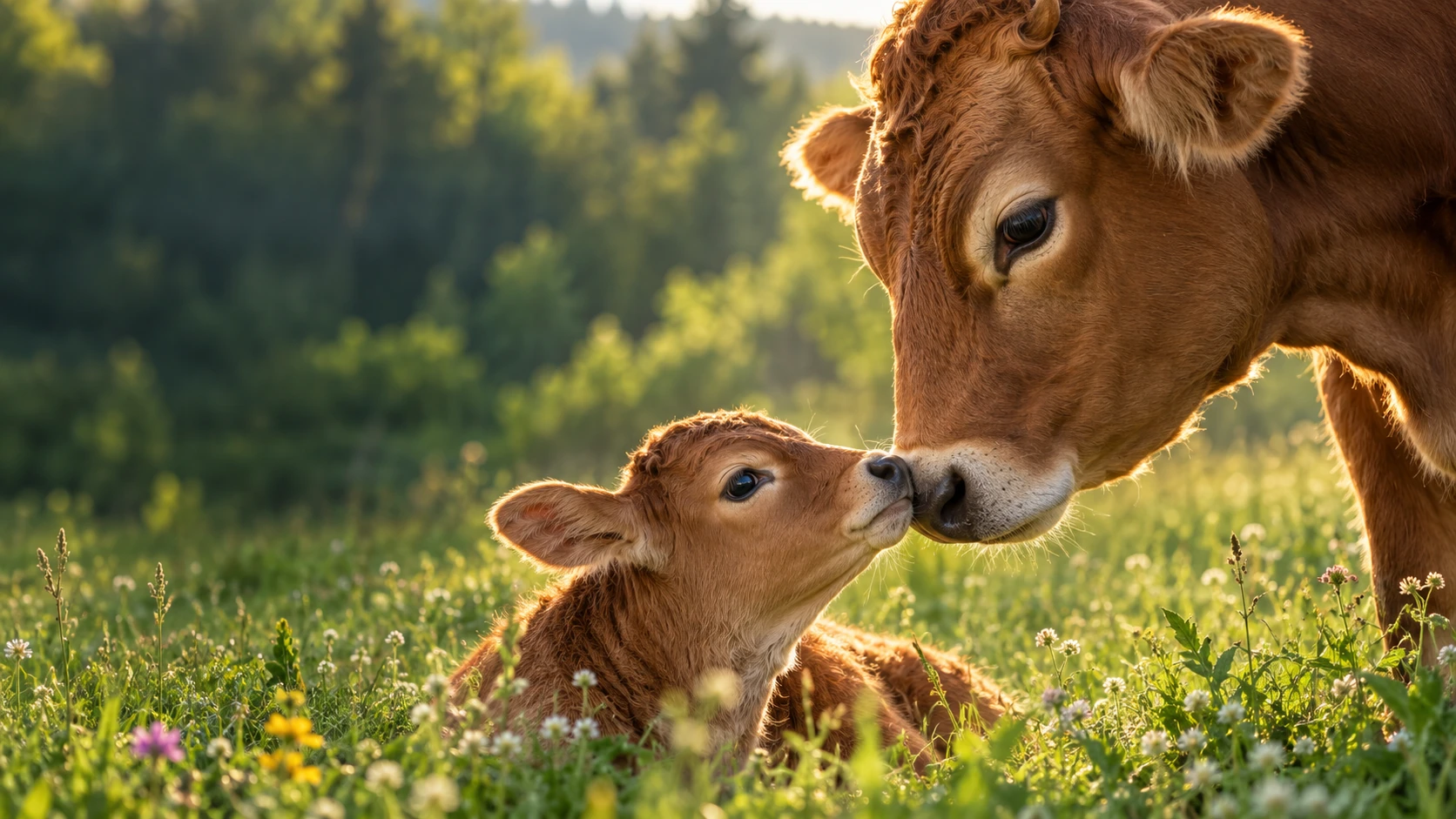
A wider circle of care
The food we choose can express the care we feel. Vegetarian living offers a practical way to respect animals and bring compassion into everyday life.
Everyday choices. Shared values.
For PCAP, vegetarian living is an expression of love for animals.
One of PCAP’s original objectives is to popularize vegetarian food and spare the lives of animals and birds. It connects a broad philosophy of care with a choice we make day after day.
The ethical starting point is simple: animals’ interests deserve our consideration. If we can meet our needs in ways that avoid killing animals for food, compassion gives us a reason to choose those ways.
This is an invitation to bring our habits closer to our values. Curiosity, learning and practical support can make that change easier to sustain.
Explore PCAP’s objectives“Animals are my friends and I don't eat my friends.”
Attributed to George Bernard Shaw
Why choose vegetarian food?
Ethical vegetarianism begins with the beings affected by our food choices, and asks how we can extend care to them.
Animals raised for food are sentient: they can have experiences that matter to them. Taking their capacity for suffering seriously gives us a reason to avoid causing unnecessary harm.
An animal’s value reaches beyond its usefulness to people. Neohumanism asks us to recognize kinship with other beings and respect their wish to live.
Choosing meals without meat, poultry, fish or seafood avoids buying those animals as food. Repeated choices can support a pattern of eating that depends less on animal slaughter.
Many people already care deeply for animals. Vegetarian living carries that concern into shopping, cooking and sharing meals, making compassion a regular practice.
Food choices connect us with breeding, housing, transport and slaughter. Ethical reflection invites us to consider the lives behind a product and to support alternatives that reduce animal exploitation.
A satisfying vegetarian meal can help others discover a different way to eat. Sharing food and listening with respect can open a conversation that criticism alone may close.
PCAP’s ethical foundation: Neohumanism and the original objectives. On conscious experience in animals: The New York Declaration on Animal Consciousness. Further perspectives on animal exploitation and food choices: The Vegan Society.
Compassion as a daily practice
A thoughtful choice, a shared meal and a willingness to learn can turn a caring intention into a lasting habit.
A practical beginning
Build a way of eating that fits your life, offers variety and reflects the care you want to show.

Choose familiar meals based on beans, lentils, chickpeas, vegetables, rice or other grains. Try a lentil dhal, a bean stew or a vegetable-and-tofu stir-fry.
Find several satisfying dishes you can cook confidently. Plan what you will eat and keep useful ingredients at home so the change feels manageable.
Cook with a friend, explore a vegetarian restaurant or invite your study circle to share a meal. Encourage one another and keep learning.
Care for yourself, too
A balanced vegetarian diet needs a range of foods and attention to nutrients, including iron and vitamin B12. If you avoid all animal products, a reliable B12 source is essential.
For needs specific to you, a registered dietitian can help plan a suitable diet.Questions worth exploring
A vegetarian diet excludes meat, poultry, fish and seafood. Different vegetarian traditions make different choices about eggs and dairy. A vegan diet excludes all animal-derived foods.
PCAP’s invitation here focuses on choosing food with compassion for animals, while recognizing that people may begin from different places.
Avoiding meat does not resolve every ethical issue in food production. Dairy and egg production can also involve animal suffering and the killing of animals.
Some people respond by moving from vegetarian eating toward a vegan diet. Learning about production practices and exploring plant-based alternatives can help you make choices consistent with your values.
PCAP extends care to plants, forests and the wider environment, as well as animals. Vegetarian living can be accompanied by respect for soil, thoughtful growing practices, habitat protection and less food waste.
Compassion is a continuing effort to meet our needs responsibly and care for the world that sustains us.
Share a meal, explain your own reasons and listen to theirs. Offer practical help, such as a recipe or an invitation to cook together. Make room for questions and acknowledge that food can be tied to family, culture, access and habit.
A warm conversation can help compassion take root.
Read, reflect and share
Explore the original presentation with your study circle or community group. Its factual material reflects its publication period.
Download the presentationRead PCAP’s philosophical resources and discuss how compassionate choices can become part of daily life.
Explore the study-circle guideThe Vegetarian Society offers practical resources on vegetarian eating. The Vegan Society explores the ethical case for avoiding animal products.
Explore vegetarian resourcesShare a meal. Start a conversation.
Bring friends together around vegetarian food and a shared concern for animals. PCAP’s resources can help you begin the conversation.
Get involved